Understanding Misted Double Glazing in the UK
Double glazing has ended up being a popular option in homes throughout the UK, primarily due to its excellent insulation properties. However, a typical issue that property owners encounter is misted double glazing. In this short article, we will explore what misted double glazing is, its causes, the ramifications for homeowners, and prospective solutions.
What is Misted Double Glazing?
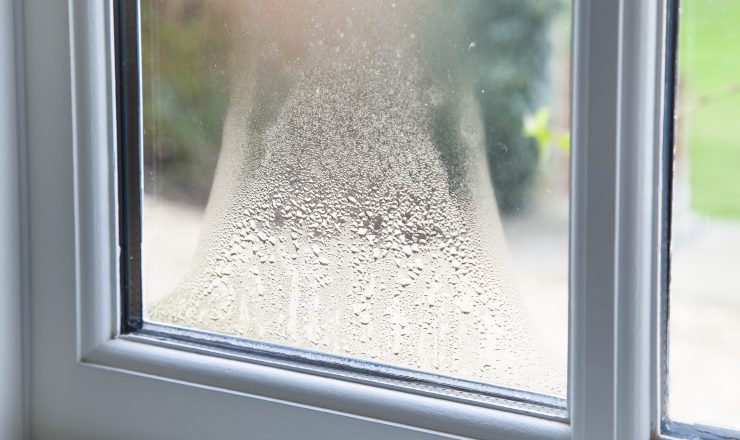
Misted double glazing describes the condensation that forms between the panes of double-glazed windows. This phenomenon produces a foggy look, which can obscure views and significantly impact the visual quality of a home. just click the up coming site misting happens when moisture enters the sealed system of the double glazing, which must preferably keep the interior air separated from the outdoors components.
How Double Glazing Works
Before diving into the causes and solutions of misted double glazing, it's useful to comprehend how double glazing functions:
- Structure: Double glazing includes two glass panes separated by a layer of insulating air or gas. This style substantially reduces thermal transfer, causing boosted energy efficiency.
- Sealing: The edges of the glass panes are sealed, preventing moisture from going into and creating a barrier to heat and noise.
Reasons For Misted Double Glazing
Misted double glazing is typically the result of one or more failures in the sealed system. Here are the main causes:
- Seal Failure: Over time, the seals that hold the panes together can use down due to age, environmental conditions, or manufacturing flaws. As soon as the seal is compromised, moisture can bypass the barrier.
- Temperature level Fluctuations: The UK experiences a large range of temperature levels, and regular thermal growth and contraction can cause stress on the seals.
- Poor Installation: If double glazing windows are not installed properly, they may not form an effective seal, making them vulnerable to leaking moisture.
- Natural Wear and Tear: As with numerous family items, age plays a crucial role. The products used in the seal may degrade over time, even with no obvious external damage.
Ramifications of Misted Double Glazing
The presence of misted double glazing can have different implications for property owners. Here are some of the most considerable concerns:
- Reduced Aesthetic Appeal: Misted windows can interrupt the visual looks of a property, resulting in decreased curb appeal.
- Diminished Energy Efficiency: The insulating properties of double glazing decrease when moisture accumulates between the panes, resulting in increased energy bills as cooling and heating systems work harder.
- Possible for Damage: If left unaddressed, additional condensation can occur, potentially causing structural concerns such as decaying window frames or mold.
Solutions for Misted Double Glazing
Although misted double glazing can be a frustrating issue, several prospective solutions are available:
1. Change the Sealed Unit
Replacing the whole sealed unit can bring back clearness to the windows. This approach includes eliminating the current misted system and setting up a new one, guaranteeing all seals are undamaged.
2. Desiccant Injection
Sometimes, specialists can inject a desiccant (a moisture-absorbing substance) into the sealed unit. This might not totally get rid of the mist but can minimize condensation briefly.
3. Do it yourself Fixes
Some property owners might try DIY fixes; nevertheless, caution is advised. Common approaches such as drilling holes into the window seals can lead to further issues and, for the most part, do not offer a lasting option.
4. Professional Cleaning
For less extreme cases of misting, professional window cleaning company might help minimize the appearance of fogging. However, this does not resolve the underlying moisture problem.
Preventative Measures
To avoid the event of misted double glazing in the future, considering these preventive methods is smart:
- Regular Inspections: Routine checks on window seals can help identify vulnerabilities early, enabling prompt repairs.
- Professional Installation: Ensuring that windows are installed by certified experts can considerably decrease the risk of early seal failure.
- Environment Considerations: Choosing window products ideal for the UK's environment can increase the longevity of double glazing.
Contrast Table: Misted Double Glazing Solutions
| Service | Efficiency | Cost Estimate | Time Required |
|---|---|---|---|
| Replace Sealed Unit | High | ₤ 200 - ₤ 600/unit | 1-2 hours |
| Desiccant Injection | Medium | ₤ 50 - ₤ 150 | 1 hour |
| DIY Fixes | Low | ₤ 10 - ₤ 100 | 1-3 hours |
| Professional Cleaning | Low | ₤ 40 - ₤ 120 | 1-2 hours |
Frequently asked questions
How can I tell if my double glazing is misted?
You will discover a foggy or fuzzy appearance between the glass panes. This is the most apparent indication of misting.
Is misted double glazing dangerous?
While not hazardous in itself, misting can indicate moisture issues that may cause mold or structural concerns if left unsettled.
Can misted double glazing be fixed?
Oftentimes, the sealed system can be changed or repaired. However, in some cases total unit replacement is necessary for a long-lasting solution.
For how long should double glazing last?
Effectively maintained double glazing should last between 20 to 35 years, but this can vary based on climate, quality of installation, and products used.
What are the expenses associated with changing misted double glazing?
Replacement costs can range substantially, generally in between ₤ 200 to ₤ 600 per window unit, depending on the size and specs.
In conclusion, misted double glazing is a widespread issue in the UK that can affect the visual appeals and energy efficiency of a home. Understanding the causes and implications makes it possible for house owners to resolve the problem effectively, guaranteeing their living spaces remain comfy and visually attractive. With appropriate preventive measures and timely solutions, the durability and efficiency of double-glazed windows can be preserved, enhancing the general worth of the home.